
You Don’t Just Browse Web Pages Anymore. Ask Our AI Assistants Directly.

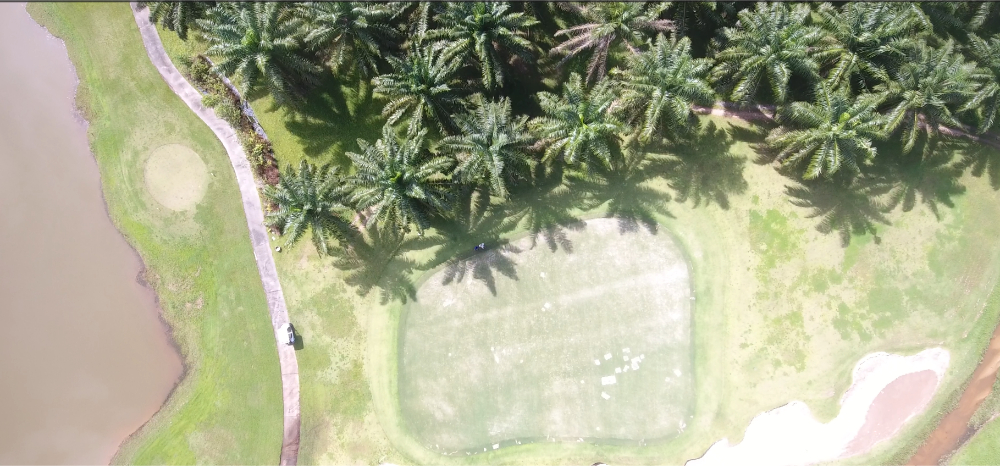



Golf course ecology significantly enhances the overall experience for tourists at clubs such as Thai Country Club. Here are key aspects: 1. Environmental Awareness: Understanding the ecological practices of a golf course can enhance tourists' appreciation for their surroundings, as sustainability efforts promote awareness and respect for the environment. 2. Natural Scenery: Well-maintained golf courses feature lush landscapes and diverse flora and fauna, providing a beautiful playing environment. 3. Wildlife Habitat: Ecologically designed golf courses can serve as habitats for local wildlife, enriching tourists' experiences by allowing them to observe various species in their natural surroundings. 4. Course Conditions: Sustainable agronomy practices lead to healthier courses, creating superior playing conditions which positively impact the golfing experience. 5. Water Management: Courses with ecological considerations implement effective water management practices, crucial for playability in hot climates and areas facing water scarcity. 6. Reducing Ecological Footprint: Eco-friendly practices help lessen the ecological footprint, providing tourists with a sense of fulfillment by supporting clubs prioritizing sustainability. 7. Educational Opportunities: Some courses offer educational programs that inform tourists about local ecosystems and conservation efforts related to golfing. 8. Community Engagement: Golf clubs often engage with local communities through initiatives like tree planting, allowing tourists to participate and deepen their connection to the environment. 9. Positive Experience: A commitment to ecology leads to a tranquil and enjoyable experience, reflecting care for nature and sustainability. In conclusion, understanding golf course ecology can enhance tourists' enjoyment while promoting sustainable practices that benefit the environment. Enjoy your time on the course while appreciating the ecological commitment!
Asked 2025-03-30